Asbestos roof removal is a critical process that requires professional expertise, proper safety measures, and strict adherence to UK regulations. Whether you're dealing with an asbestos cement roof on a garage, shed, or outbuilding, understanding the removal process helps ensure safety and compliance.
Why Professional Asbestos Roof Removal is Essential
Asbestos was commonly used in roofing materials until the late 1990s, particularly in corrugated cement sheets for garages, sheds, and outbuildings. When these materials are disturbed or damaged, they can release dangerous asbestos fibres into the air, posing serious health risks.
Professional removal is essential because:
- Asbestos fibres are invisible and can cause serious lung diseases
- Improper handling can contaminate the surrounding area
- UK regulations require licensed contractors for certain asbestos work
- Safe disposal requires licensed facilities and proper documentation
Step 1: Initial Assessment and Survey
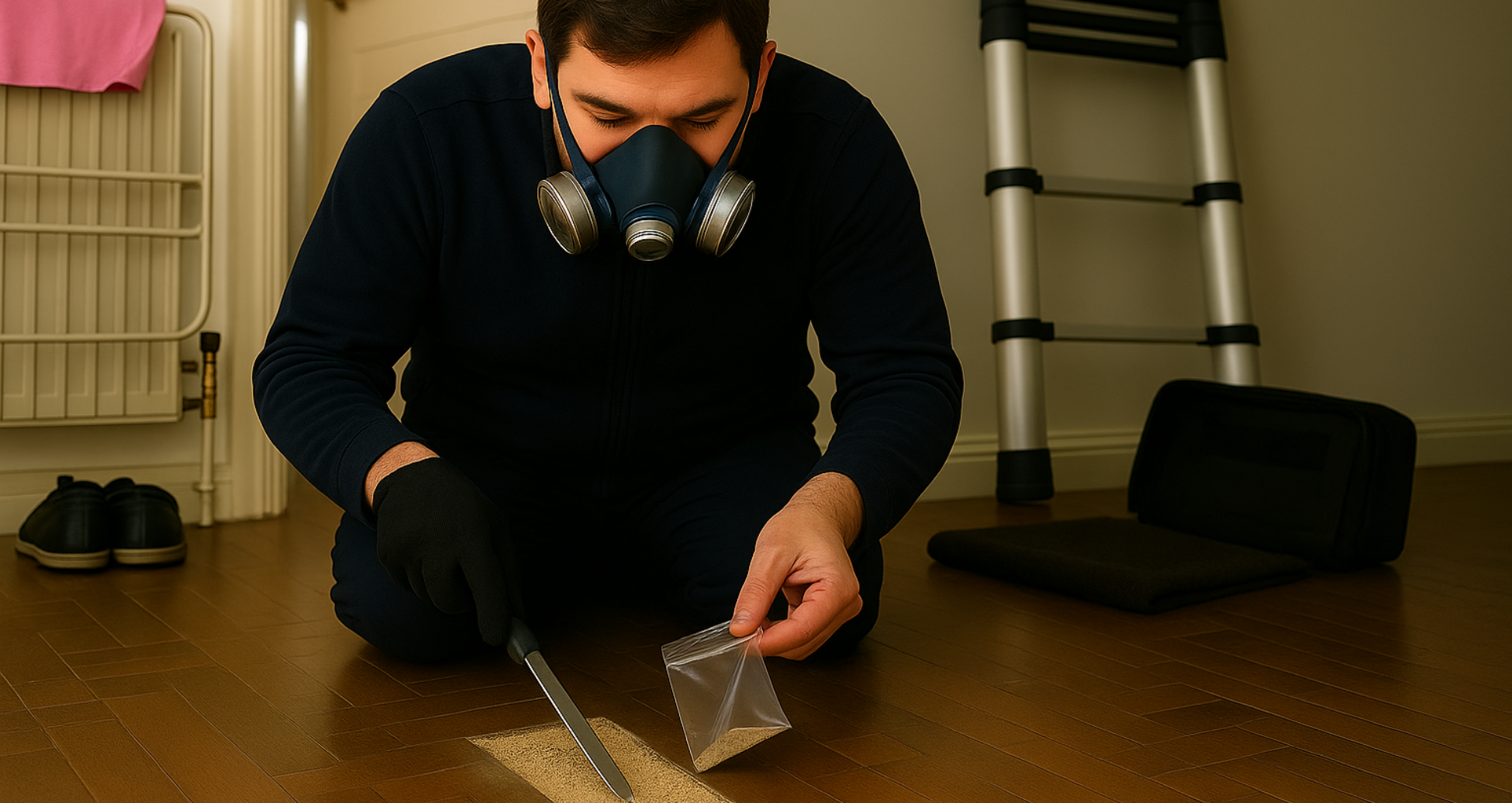
Before any removal work begins, a qualified asbestos surveyor will:
- Inspect the roof to identify asbestos-containing materials
- Take samples for laboratory analysis if needed
- Assess the condition and risk level of the materials
- Determine whether licensed removal is required
- Provide a detailed survey report with recommendations
This assessment helps determine the appropriate removal method and ensures compliance with UK asbestos regulations.
Step 2: Planning and Risk Assessment
Once asbestos is confirmed, the removal contractor will:
- Conduct a detailed risk assessment: Evaluate the specific risks associated with your roof removal
- Create a method statement: Document the exact procedures to be used
- Plan containment measures: Design appropriate barriers and controls
- Schedule the work: Arrange a suitable time that minimises disruption
- Notify relevant parties: Inform neighbours and obtain necessary permissions
Step 3: Site Preparation and Containment
Before removal begins, the work area must be properly prepared:
Containment Setup
- Erection of barriers or enclosures around the work area
- Sealing of access points to prevent fibre spread
- Installation of negative pressure units where required
- Warning signs and restricted access zones
Safety Equipment
- Personal protective equipment (PPE) for all workers
- Respiratory protective equipment (RPE) with appropriate filters
- Disposable coveralls and footwear
- Decontamination facilities for workers
Step 4: Removal Process
The actual removal process follows strict procedures:
Wetting Down
Materials are kept wet throughout removal to minimise fibre release. This is a critical safety measure that prevents asbestos fibres from becoming airborne.
Careful Dismantling
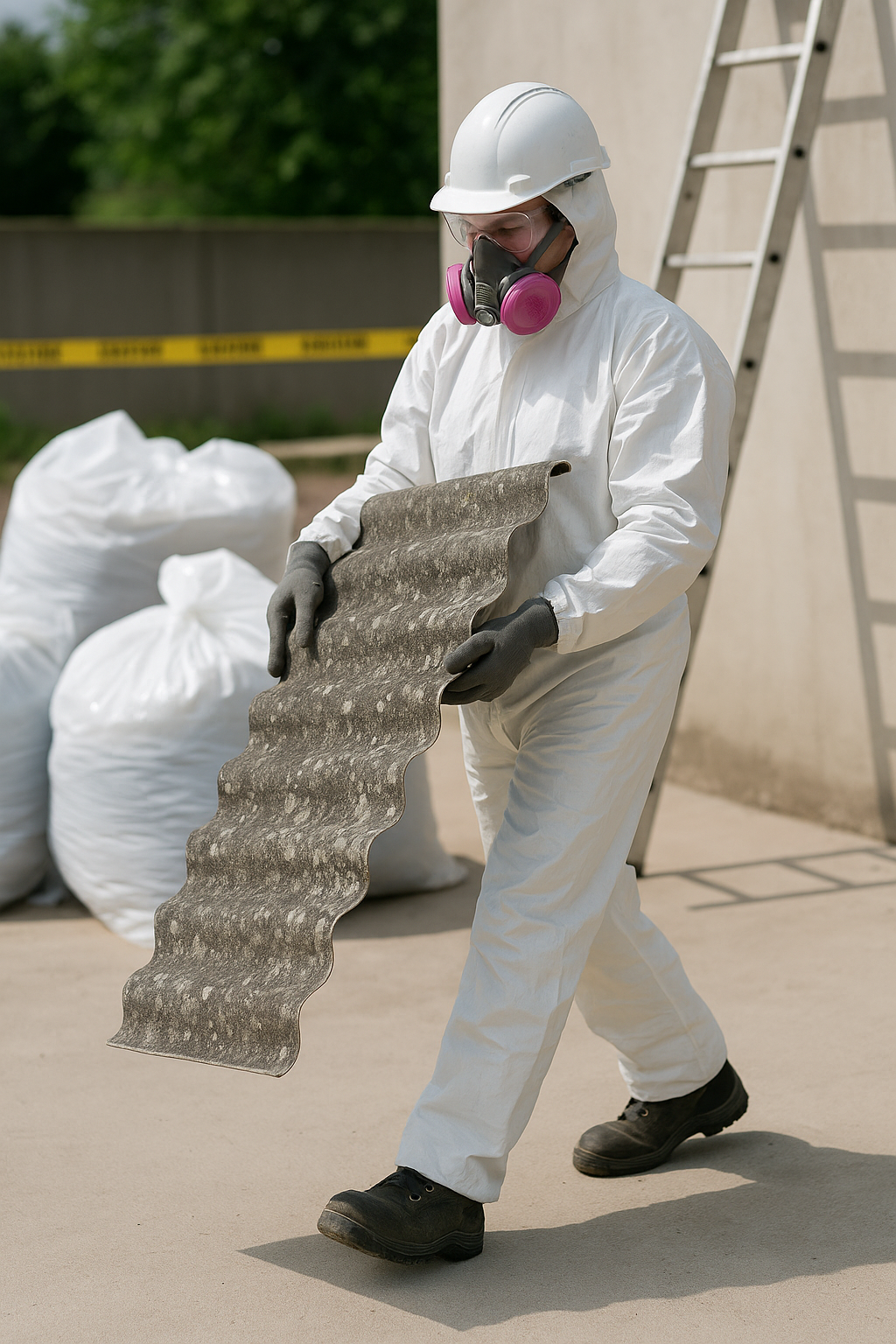
Roof sheets are carefully removed, avoiding breakage:
- Sheets are removed whole where possible
- Minimal cutting or breaking is performed
- Materials are handled gently to prevent damage
- Any damaged materials are immediately sealed
Immediate Sealing
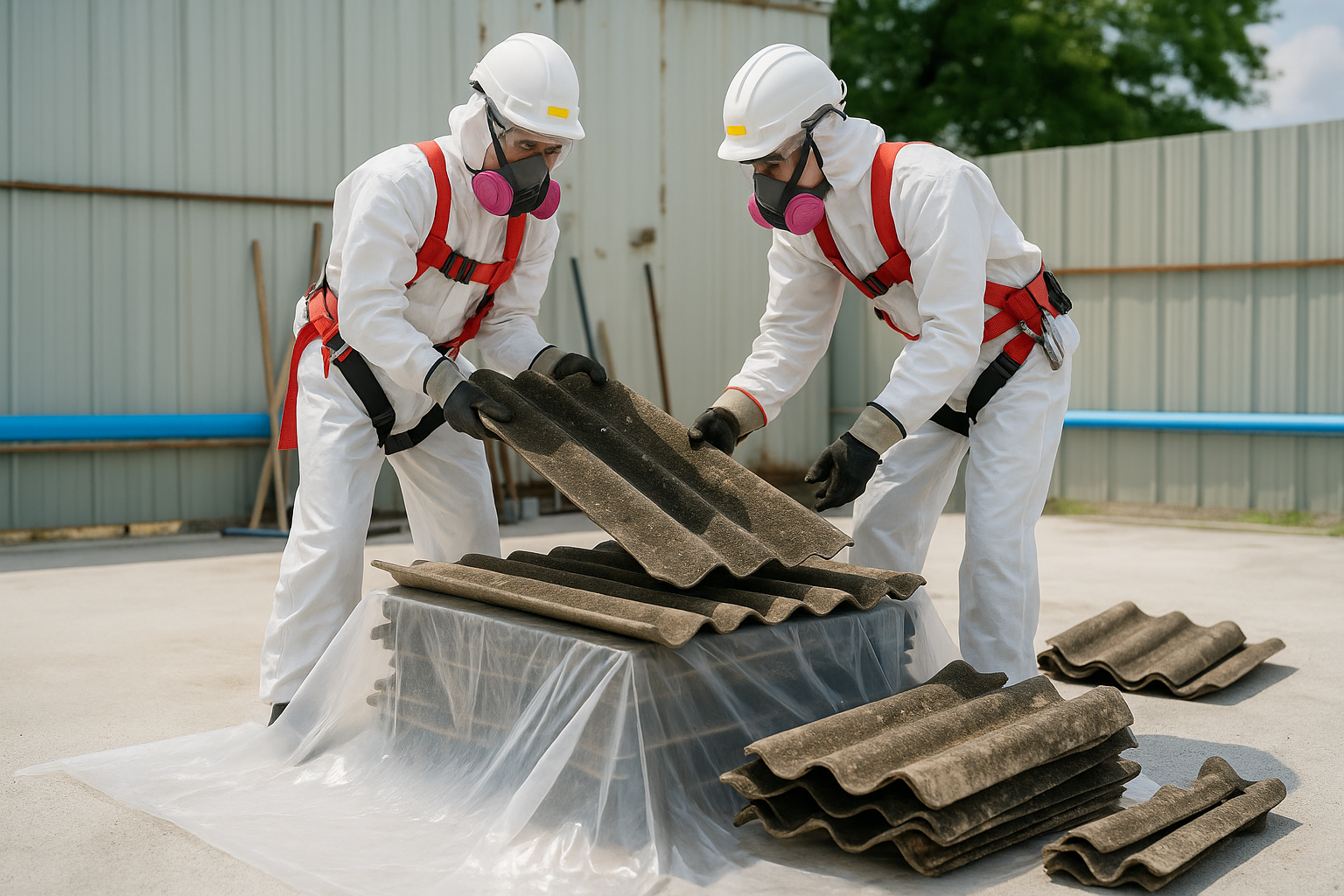
Removed materials are immediately:
- Wrapped in heavy-duty polythene sheeting
- Sealed with tape to prevent fibre escape
- Labeled with asbestos warning labels
- Placed in secure containers for transport
Step 5: Air Monitoring
During and after removal, air monitoring may be conducted:
- Background monitoring before work begins
- Personal monitoring for workers
- Environmental monitoring in the surrounding area
- Clearance testing after work completion
This ensures that asbestos fibre levels remain within safe limits and confirms the area is safe for reoccupation.
Step 6: Site Cleanup and Decontamination
After removal, thorough cleanup is essential:
- Removal of all debris: Every piece of asbestos material is removed
- Surface cleaning: All surfaces are cleaned using appropriate methods
- Equipment decontamination: All tools and equipment are thoroughly cleaned
- Worker decontamination: Workers follow strict decontamination procedures
- Final inspection: Visual inspection and air testing confirm the area is clean
Step 7: Waste Disposal
Asbestos waste must be disposed of at licensed facilities:
- All waste is transported in sealed, labeled containers
- Waste is taken to licensed asbestos disposal sites
- Waste consignment notes are completed and provided
- Full documentation is provided for your records
Illegal disposal of asbestos waste can result in serious penalties, so proper disposal is essential.
Step 8: Documentation and Certification
After completion, you'll receive:
- Completion certificate confirming safe removal
- Waste consignment notes for disposal
- Air monitoring results (if conducted)
- Photographic evidence of the work
- Recommendations for any follow-up work
This documentation is important for your records and demonstrates compliance with regulations.
How Long Does Asbestos Roof Removal Take?
The duration depends on several factors:
- Size of the roof: Small garage roofs may take 1 day, larger roofs may take 2-3 days
- Complexity: Access difficulties or complex structures take longer
- Weather conditions: Work may be delayed in adverse weather
- Licensing requirements: Licensed removals require more time for safety measures
Most residential garage or shed roof removals can be completed in a single day.
Cost Considerations
Asbestos roof removal costs vary based on:
- Size and type of roof
- Accessibility and location
- Whether licensed removal is required
- Disposal costs
- Any additional work required
We provide free, no-obligation quotations with transparent pricing. Contact us for a detailed quote tailored to your specific situation.
Conclusion
Asbestos roof removal is a complex process that requires professional expertise and strict safety measures. By following proper procedures, using qualified contractors, and ensuring compliant disposal, you can safely remove asbestos roofs while protecting health and meeting legal requirements.
If you need asbestos roof removal services, our experienced team is here to help. We provide safe, compliant, and efficient removal services with full documentation and peace of mind.